

Restoring antique tile floors in Denver requires specialized knowledge to preserve historic materials and styles from the early 1900s. The process involves understanding material composition, age, and installation methods. Regular cleaning, sealing, and moisture management protect against climate-related damage. Specialized services address grout erosion, surface chips, and cracks. Consulting professionals ensures optimal restoration methods for historical value and structural integrity. Reputable Denver tile contractors specialize in antique restoration for effective protection.
Tile flooring in Denver, with its rich history and unique aesthetic, holds a significant place in the city’s architectural landscape. However, preserving antique tile floors presents a challenge due to age-related deterioration. This authoritative piece delves into effective preservation methods tailored for Tile Flooring Denver. We explore strategies that not only restore these historic floors but also ensure their longevity, maintaining the city’s cultural heritage. By providing proven solutions, we aim to empower homeowners and professionals alike to protect and appreciate Denver’s tile flooring treasures.
- Understanding Antique Tile Floors in Denver
- Preservation Techniques for Tile Flooring Denver
- Identifying and Preventing Common Denver Tile Floor Issues
- Restorative Processes for Vintage Tile Floors
- Maintaining and Protecting Historic Tile Floors in Denver
Understanding Antique Tile Floors in Denver
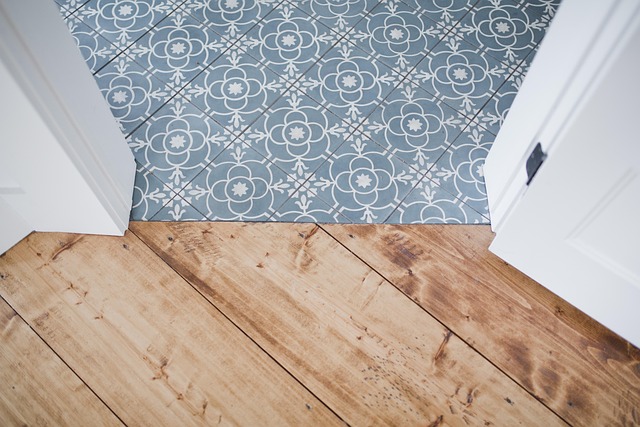
Restoring antique tile floors in Denver requires a deep understanding of these historic materials and the unique challenges they present. Tile flooring Denver has seen its fair share of vintage styles, from intricate mosaics to hand-crafted terracotta, each with its own story and wear patterns. These floors often grace homes built in the early 1900s, featuring designs that reflect the aesthetic preferences of that era. Preserving these tiles is not merely about aesthetics; it’s about preserving a piece of Denver’s history.
Expert tile flooring Denver services begin with proper identification and evaluation. Tile cleaning and repair Denver specialists must consider factors like material composition, age, and original installation methods. For instance, older tiles might have been laid using mortar beds, requiring specialized techniques for lifting and replacing without damaging adjacent tiles. Kitchen tile makeovers, a popular service in Denver, often involve updating these antique floors while respecting their historical significance. Restorers may opt for subtle refinishing to highlight the tiles’ natural beauty or more dramatic transformations, depending on the client’s vision and the floor’s condition.
The process demands meticulous attention to detail. It involves careful removal of existing sealers and coatings, deep cleaning to address buildup and stains, and repair of damaged areas. Some tiles may need to be reglazed or re-embedded in new mortar beds. Successful restoration not only restores the floors’ visual appeal but also ensures their structural integrity for years to come. In a city as diverse and historically rich as Denver, preserving antique tile floors is more than a job—it’s a cultural stewardship.
Preservation Techniques for Tile Flooring Denver
Restoring antique tile floors in Denver requires a delicate balance between preserving history and ensuring longevity. The city’s diverse climate presents unique challenges for tile flooring, whether in historic homes or commercial spaces like those found in Denver’s vibrant downtown. Preservation methods must account for freezing winters, hot summers, and the occasional moisture intrusions that can compromise tile integrity over time.
One of the most effective preservation techniques involves regular cleaning and sealing. For instance, using pH-neutral cleaners to remove dirt and grime without damaging the tiles is crucial. Additionally, applying high-quality sealers annually helps protect against water damage and stains, preserving the tile’s original beauty. In cases of extensive damage or missing tiles, expert restoration services can recreate or replace individual pieces, ensuring the floor maintains its historical integrity. Denver commercial tile flooring installations, for example, often employ these methods to preserve the unique character of older buildings while meeting modern safety and accessibility standards.
Another vital aspect is managing moisture, especially in areas prone to leaks or high humidity. Installing proper drainage systems beneath the tiles can prevent water from pooling, which can lead to mold growth and structural damage. Stair Runners Denver and other specialized flooring solutions designed for historical structures also play a role in preservation by providing extra traction and protection without altering the original aesthetic. Hardwood Flooring Denver, when combined with tile, requires careful refinishing and maintenance to complement the restored tile floors, ensuring the entire space retains its charming, authentic character.
Regular inspection and prompt repair are indispensable for long-term preservation. Homeowners and building managers should regularly inspect their tile floors for signs of damage or wear, addressing issues before they escalate. This proactive approach, coupled with proper cleaning, sealing, and moisture management techniques, will ensure that Denver’s historic tile flooring remains a testament to the city’s rich architectural heritage for generations to come.
Identifying and Preventing Common Denver Tile Floor Issues

Restoring antique tile floors in Denver requires a deep understanding of the unique challenges presented by this historic city’s climate and environmental factors. Tile flooring Denver is renowned for its longevity, but it also faces issues like moisture damage from frequent snowmelt, extreme temperature fluctuations, and dirt tracked in from bustling streets. One of the most common problems is grout erosion, accelerated by high humidity levels year-round. This not only weakens the tile’s adhesive but can lead to discolored, unsightly gaps that compromise the floor’s aesthetic appeal.
Another prevalent issue is damage to the tile surface itself, often visible in the form of chips or cracks. These imperfections can result from heavy furniture placement, foot traffic, or accidental drops. Denver tile flooring services that specialize in restoration employ various techniques to address these problems, including regrouting and tile repair. For example, a professional might use a more durable grout compound better suited to Colorado’s climate during regrouting procedures. When it comes to tile replacement, choosing high-quality materials and precise measurement ensures a seamless blend with the existing floor, maintaining the room’s original character.
Moreover, preventing future issues is key to preserving Tile Flooring Denver. Regular cleaning and sealing are essential, especially in areas prone to water damage, such as kitchens and bathrooms. Laminate flooring Denver may be trendy, but antique tile floors offer a unique historical charm that cannot be replicated. Tiled backsplash installation, for instance, can protect walls from moisture and add visual interest to the space. By prioritizing proper care and maintenance, homeowners can extend the life of their antique tile floors while preserving Denver’s rich architectural heritage.
Restorative Processes for Vintage Tile Floors

Restoring antique tile floors in Denver involves a meticulous process that respects the history and character of the tiles while enhancing their aesthetic appeal and structural integrity. The first step is thorough inspection to assess damage, which can range from minor cracks and chips to significant wear and tear. Denver’s unpredictable climate contributes to these issues, making it crucial for restorers to address moisture infiltration and underlying structural problems before proceeding. Once damage is evaluated, the restoration process begins, often involving several specialized techniques.
For vintage tile flooring in Denver, a common approach is using stainless steel tile repair kits. These kits are particularly effective for small repairs like chips or missing pieces. Professionals carefully match the existing tile color and texture to ensure seamless integration. In cases of more extensive damage, reglazing or re-grouting might be necessary. Reglazing involves applying a new ceramic coating over the old tile, restoring its original luster. Re-grouting replaces the worn-out grout with fresh material, securing the tiles and preventing further deterioration. Denver tile distributors offer an array of options for both these processes, catering to various styles and budgets.
Kitchens, being high-traffic areas, often require more robust solutions. Stainless steel tile is a popular choice due to its durability and ease of maintenance. It seamlessly integrates with antique tiles, creating a harmonious blend of old and new. Denver tile specialists recommend consulting with experienced professionals who can guide homeowners through the entire process, from selection to installation. Proper restoration not only preserves the beauty of historic floors but also ensures they remain functional for future generations.
Maintaining and Protecting Historic Tile Floors in Denver
Restoring antique tile floors in Denver requires a delicate balance between preserving history and meeting modern standards. Tile flooring Denver has seen its fair share of historic homes with intricate slate tile designs, many dating back to the city’s golden age. These floors not only hold aesthetic value but are also part of Denver’s cultural heritage. Engaging denver tile contractors specializing in antique restoration is key to maintaining these treasures.
The first step in protecting historic tile floors is understanding their composition and unique characteristics. Slate tile, a popular choice in the past, requires specialized care. Unlike modern tiles, slate is naturally porous, making it susceptible to moisture damage and stains. Denver’s slate tile specialists are adept at cleaning and sealing these surfaces to prevent degradation. Regular maintenance includes brushing off dirt, using mild detergents, and applying protective coatings recommended by experts. For instance, a study by the National Park Service revealed that proper sealing can extend the lifespan of historic slate floors by over 50%.
When considering stylish tile options Denver, homeowners must strike a balance between aesthetics and preservation. Replacing antique tiles with modern replicas is a popular approach, ensuring visual continuity while allowing for easier maintenance. However, it’s crucial to consult with professionals who can advise on suitable materials and installation methods. For example, some denver tile contractors offer custom restoration services, meticulously repairing damaged tiles or creating new ones that mimic the original design. This ensures the integrity of the floor while updating its appearance to modern tastes. Regular inspections by these specialists can also help catch potential issues early, preventing extensive repairs.
In conclusion, preserving antique tile floors in Denver is a multifaceted endeavor. Engaging reputable denver tile contractors and slate tile specialists is essential for effective restoration and protection. By following expert advice on maintenance, cleaning, and material selection, homeowners can ensure these historic floors remain vibrant and intact for future generations to appreciate.
Restoring antique tile floors in Denver requires a deep understanding of these historic materials and the unique challenges they present. By adopting the preservation techniques outlined in this article, Tile Flooring Denver specialists can effectively protect and maintain these vintage treasures. Key takeaways include identifying and preventing common issues, utilizing restorative processes tailored to each floor’s age and style, and implementing meticulous care strategies for long-term protection. These methods ensure that Denver’s rich architectural heritage is preserved, allowing these timeless tile floors to continue captivating residents and visitors alike.