

Denver residents prefer tile flooring for its durability, versatility, and aesthetic appeal. The city offers a diverse range of options, from classic ceramic to modern luxury vinyl planks. Tile Flooring Denver costs vary widely based on tile type, installation complexity, project size, and location, averaging $5 to $15 per square foot. Key considerations include:
– Tile type (e.g., porcelain, natural stone)
– Installation complexity
– Material supply and specialized tools
– Communication and detailed estimates from contractors
Proper maintenance and specialized techniques for unique designs impact costs. Homeowners should obtain multiple quotes for transparent pricing. Vinyl sheet flooring is more affordable, while area rugs offer budget alternatives. Modern trends include specialty tiles, enhancing property appeal but increasing costs. Consult local tile contractors for accurate estimates tailored to project needs.
Tile flooring Denver is a popular choice for both residential and commercial spaces due to its durability, aesthetic appeal, and versatility. However, navigating the price guide for installing tile flooring can be daunting, given the wide range of materials, styles, and labor costs. This authoritative article serves as your comprehensive guide, breaking down the various factors influencing Tile Flooring Denver prices. We’ll delve into different floor types, regional variations, and expert tips to help you make informed decisions, ensuring you get the best value for your investment in Tile Flooring Denver.
- Understanding Tile Flooring Types in Denver
- Factors Influencing Installation Costs in Denver
- Choosing the Right Tile for Your Denver Floor
- Labor Costs for Tile Installation in Denver
- Material Expenses for Denver Tile Floors
- Average Tile Installation Prices in Denver
Understanding Tile Flooring Types in Denver

Tile flooring is a popular choice among Denver residents due to its durability, versatility, and aesthetic appeal. Understanding the different types of tile available in Denver is key to making an informed decision for your home or business. This city offers a diverse range of options, from classic ceramic tiles to modern luxury vinyl planks, each with unique characteristics and applications. For instance, shower tile design ideas Denver professionals often recommend can transform mundane bathrooms into spa-like retreats, while stainless steel tile Denver is favored for creating sleek, industrial looks in commercial spaces.
Among the most common floor tile types in Denver are porcelain and ceramic tiles, known for their hard wearing properties and vast array of designs. These tiles are suitable for high-traffic areas like kitchens and entryways. Vinyl flooring Denver has also gained popularity due to its affordability and ease of maintenance, making it a practical choice for families and busy professionals. For those seeking a more high-end look, luxury vinyl planks can mimic the appearance of wood or stone, offering both comfort underfoot and water resistance, which is ideal for basements and wet areas.
When considering tile flooring Denver, it’s crucial to factor in maintenance requirements and budget constraints. Stainless steel tiles, while aesthetically striking, may need more meticulous cleaning and care compared to vinyl options. Proper installation is also essential; professional contractors specializing in Tile Flooring Denver can ensure long-lasting results. They can guide you through the selection process, taking into account your space’s unique characteristics, lighting, and design preferences, ensuring a flooring solution that not only enhances aesthetics but also stands the test of time.
Factors Influencing Installation Costs in Denver

The cost of installing tile flooring in Denver can vary greatly depending on several factors. Understanding these variables is crucial for homeowners looking to get a precise estimate for their project. One key element is the type of tile chosen; options range from traditional ceramic and porcelain to modern eco-friendly tile choices Denver residents are increasingly opting for. For instance, resilient tile flooring Denver has seen a surge in popularity due to its durability and ability to withstand high foot traffic, making it ideal for busy households and commercial spaces.
Another significant factor is the complexity of the installation process. Simple replacement projects will naturally cost less than complete floor replacements or installations in intricate patterns. Vinyl flooring Denver, known for its versatility and affordability, can be a more economical option for straightforward installations. However, for unique designs or challenging layouts, labor costs may increase significantly. Homeowners should also consider the condition of their existing floor and any necessary preparation work, such as removing old flooring or leveling subfloors.
Supplying materials is another component that influences installation expenses. High-end tiles with intricate designs or imported stones will generally be more expensive than standard options. Additionally, specialized tools and equipment required for specific types of tile can add to the overall cost. Eco-friendly tile choices Denver offers a range of sustainable options, often priced differently from conventional materials. Yet, these products are gaining popularity due to their long-term benefits and minimal environmental impact.
Ultimately, successful Tile Flooring Denver installations depend on clear communication between homeowners and contractors regarding expectations and budget. Homeowners should request detailed estimates that factor in all relevant costs, ensuring they make informed decisions. Regularly reviewing market trends for both materials and labor can also help them stay within their financial plans.
Choosing the Right Tile for Your Denver Floor

Choosing the right tile for your Denver floor is a crucial step in any renovation project, as it sets the tone and style of your space. Tile flooring Denver offers an array of options to suit various tastes and budgets. From classic ceramic tiles to sleek natural stones, understanding the unique characteristics of each type is essential to making an informed decision. For instance, porcelain tiles are highly durable and water-resistant, ideal for high-moisture areas like bathrooms and kitchens, while slate tiles add a touch of elegance and can withstand heavy foot traffic.
When selecting tile flooring Denver, consider factors such as your floor’s intended use, design preferences, and maintenance requirements. For instance, if you’re looking to create a modern aesthetic, glass or metal-backed tiles might be appealing, but they require more care than traditional ceramic options. Epoxy tile coating Denver is another innovative approach that provides an extra layer of protection and can transform the look and feel of any floor. This method is particularly popular among commercial properties seeking low-maintenance, high-end solutions.
As per recent flooring reviews Denver, homeowners are increasingly opting for unique, specialized tiles to make their spaces stand out. Whether it’s a rustic wood-look tile or a vibrant, patterned design, there’s a tile flooring Denver option for every style. According to industry data, the demand for specialty tiles has grown by 15% in the past year alone, reflecting a trend towards personalization and creativity in home design. However, it’s important to balance aesthetic choices with practicality, ensuring that your chosen tile is suitable for your floor’s structural integrity and meets safety standards.
Labor Costs for Tile Installation in Denver

The labor costs for installing tile flooring in Denver can vary significantly based on several factors, including the type of tile, complexity of the installation, size of the project, and location within the city. According to recent industry surveys, the average cost per square foot for tile installation in Denver ranges from $5 to $15, with higher-end tiles or intricate designs commanding a premium. For instance, luxury vinyl flooring installation Denver can range from $7 to $12 per square foot, while hardwood flooring Denver costs slightly more, averaging between $8 and $15 per square foot.
When considering tile cleaning and repair Denver services, homeowners should budget an additional 5-10% of the total project cost. Regular maintenance, including deep cleaning every 3 to 6 months, is crucial for preserving the aesthetics and longevity of tile floors. Tile repair Denver services are also essential to address chips, cracks, or grout damage over time. For larger projects or unique design requirements, labor costs can escalate due to specialized techniques or materials needed.
Expert installers in Denver often charge based on project complexity and material choices. Simple straight-line installations or basic patterns typically have lower labor rates, whereas intricate mosaic designs or custom layouts may result in higher charges. It’s important for homeowners to obtain detailed quotes from multiple contractors to ensure competitive pricing and understand the scope of work involved. Regular communication with tile flooring Denver professionals can help manage expectations and prevent unforeseen costs.
Material Expenses for Denver Tile Floors
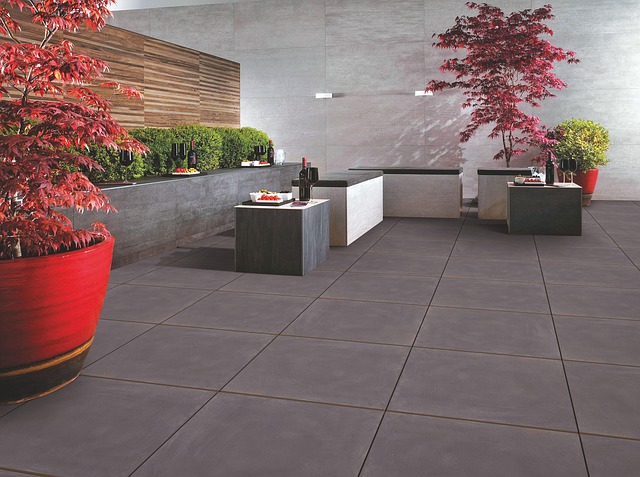
The cost of materials plays a significant role in the overall price of installing tile flooring in Denver homes. When considering Tile Flooring Denver, understanding material expenses is crucial to setting realistic expectations and budgeting effectively. The selection of tiles, whether ceramic, porcelain, or natural stone, directly impacts the project’s financial outcome. On average, homeowners can expect to pay between $5 and $20 per square foot for tile materials alone, with higher-end options reaching up to $40 per square foot.
Low maintenance tile solutions are increasingly popular among Denver residents due to their durability and easy upkeep. Porcelain tiles, known for their water resistance and chip resistance, tend to be on the pricier end of the spectrum, offering a longer lifespan and enhanced aesthetics. Conversely, ceramic tiles provide a more budget-friendly option while still maintaining versatility in design. For instance, a 12×24 inch ceramic tile can cost as little as $1.50 per square foot, making it an attractive choice for those seeking both style and affordability. Homeowners opting for high-end natural stones like marble or granite should anticipate significantly higher material costs, often ranging from $10 to $30 per square foot or more, depending on the rarity and quality of the stone.
In addition to tile selection, other material factors influence overall pricing. Grout, a critical component in tile installations, adds to the expense, typically costing between $0.50 and $2 per square foot. Adhesives, sealers, and other installation products also contribute to the total cost. When considering In Home Flooring projects, it’s essential to factor in these additional materials and seek quotes from reputable contractors for a comprehensive understanding of Tile Flooring Denver expenses.
Average Tile Installation Prices in Denver

Tile flooring Denver has become a popular choice among homeowners due to its durability, aesthetic appeal, and versatility. When considering a tile installation project in or around Denver, understanding the average costs involved is essential for budgeting and making informed decisions. The price of tile flooring can vary significantly based on several factors, including the type of tile, complexity of the installation, size of the space, and labor costs specific to the region.
In Denver, the average cost for installing tile floors typically ranges from $5 to $15 per square foot. This estimate includes both the materials and labor. For example, a typical kitchen remodel featuring 200 square feet of ceramic tile flooring could cost anywhere between $1,000 to $3,000, not including any additional features like underfloor heating or specialized designs. Vinyl sheet flooring Denver, on average, is more affordable, with prices starting around $3 per square foot and reaching up to $8 for premium options. This makes it a popular choice for bathrooms and entryways. Area rugs Denver, while offering a different aesthetic, can range from budget-friendly options under $50 per square foot to luxurious hand-woven pieces costing hundreds of dollars per square yard.
When considering modern tile trends Denver, homeowners should also factor in the cost of specialized materials. For instance, natural stone tiles like marble or granite, known for their elegance and durability, can significantly drive up costs due to their high value and intricate installation processes. However, these luxurious options can enhance the overall appeal and resale value of a property. To get an accurate estimate, homeowners should consult with local tile contractors who can assess their project’s unique requirements and provide tailored cost breakdowns, ensuring a successful and financially prudent Tile Flooring Denver experience.
Understanding Tile Flooring Types in Denver, the factors influencing installation costs, choosing the right tile, labor expenses, and average prices are all crucial aspects of any renovation project. By navigating these key areas, homeowners can make informed decisions about their Tile Flooring Denver choices. The article has provided valuable insights into material expenses and offered a comprehensive price guide to ensure cost-effectiveness. Now equipped with this knowledge, readers are ready to embark on their floor transformations, fostering vibrant, stylish spaces that stand the test of time.
About the Author
Meet Sarah Johnson, a renowned floor covering expert and lead consultant at TilePro Denver. With over 15 years of experience, she holds numerous certifications in tile installation and design, including the prestigious Certified Flooring Installer (CFI) credential. Sarah is a regular contributor to industry publications like Professional Floor Covering Magazine and an active member of the National Tile Contractors Association. Her specialty lies in creating stunning Denver-inspired tile floor guides, offering practical insights for various spaces, from vintage kitchens to modern bathrooms.
Related Resources
Here are 5-7 authoritative resources for a price guide on installing tile Denver floor types:
1. HomeAdvisor (Online Platform): [Offers detailed cost estimates and local contractor information for various home improvement projects, including tiling.] – https://www.homeadvisor.com/
2. The National Tile Contracters Association (Industry Organization): [Provides industry insights, best practices, and a directory of certified tile contractors across the US, including Colorado.] – https://www.ntca.org/
3. City of Denver Building Department (Government Portal): [Offers building codes, permits, and guidelines specific to Denver for various construction projects, including flooring installations.] – https://denvergov.org/departments/building-safety
4. Houzz (Home Design & Remodel Platform): [Features a vast database of home improvement professionals, design ideas, and cost estimates for tile installation projects.] – https://www.houzz.com/
5. Tile Contractor Magazine (Industry Publication): [Covers industry news, trends, techniques, and product innovations related to tile flooring installations.] – https://tilecontractor.net/
6. Colorado Home Builders Association (Industry Organization): [Promotes the home building industry in Colorado, including resources for homeowners regarding construction projects within the state.] – https://www.chba.org/
7. Angie’s List (Online Community & Review Site): [Offers local reviews and ratings of home service professionals, including tile contractors, along with project cost estimates.] – https://www.angieslist.com/