
Tile Flooring Denver restoration is a meticulous art form focusing on mosaic pieces. It involves identifying missing tiles, matching colors & textures accurately using vintage or custom tiles from local suppliers. Skilled restorers clean, treat, and seal surfaces, using advanced techniques to preserve historical integrity. Regular grouting maintenance, proper curing, and cleaning extend the life of these artistic floors, showcasing their beauty in Denver's historic buildings and modern homes.
Mosaic art, with its rich history and intricate beauty, is a cherished aspect of cultural heritage worldwide. In Denver, the vibrant tile flooring adorning historic buildings and public spaces requires meticulous care. Over time, missing tiles become a pressing issue, disrupting the artistic integrity and visual appeal. This article delves into the specialized restoration techniques employed to replace missing tiles in mosaic art, focusing on the unique challenges and expert strategies honed by Denver restorers. By understanding these restorative practices, we gain insight into preserving this captivating form of artistic expression for future generations.
- Assessing Damage: Identifying Missing Tiles in Mosaic Art
- Sourcing Replacement Tiles for Tile Flooring Denver Styles
- Preparation Techniques: Cleaning and Treating Mosaic Surfaces
- Precise Replacement: Matching Patterns and Colors
- Repair Methods: Adhesives and Grout for Durability
- Final Touches: Curing and Maintaining Restored Mosaic Artworks
Assessing Damage: Identifying Missing Tiles in Mosaic Art

Assessing damage in mosaic art is a meticulous process, especially when aiming to restore historical or handcrafted tile art in Denver. The first step involves carefully examining the artwork to identify missing tiles. This includes visually scanning for gaps and studying the surrounding tiles to understand the pattern and design. In many cases, particularly with older pieces, wear and tear may result in individual tiles becoming detached or lost over time. For instance, a vibrant tile flooring Denver masterpiece might exhibit missing tiles due to foot traffic, environmental factors, or even careless handling.
Experts in Denver tile repair often employ various techniques to assess the extent of damage. One common method is to document the artwork by taking detailed photographs from different angles. This visual record helps in creating a digital blueprint and allows restorers to identify specific areas requiring tiles. For intricate handcrafted tile art, where every piece contributes to the overall design, Denver restoration specialists may also create molds or use similar tiles as references to match the exact color, shape, and texture of the missing ones.
Once identified, replacing missing tiles requires skill and precision. The best tile floors Denver restorers know that each tile should be meticulously fitted to ensure the artwork’s integrity and beauty are maintained. They carefully select new tiles from a curated collection, often including options from local suppliers known for their quality. For instance, when repairing a vintage mosaic, experts might source tiles from antique stores or even create custom pieces to match the original design. This meticulous attention to detail ensures that the restored artwork accurately reflects its historical significance and aesthetic value.
Sourcing Replacement Tiles for Tile Flooring Denver Styles

When restoring or enhancing Tile Flooring Denver, particularly in mosaic art pieces, sourcing replacement tiles that match both aesthetically and technically is paramount. The market for LVP Flooring Denver offers a wide array of options, from traditional to modern designs, ensuring that even the most intricate custom tile patterns Denver can be replicated. Engaging with reputable Denver tile wholesale suppliers is a strategic move; they provide access to a vast inventory of tiles, including vintage and rare pieces, crucial for matching existing artwork.
For instance, consider a historical building in Denver where the original mosaic floor boasts a unique, time-worn pattern. Replacing missing tiles requires not just a visual match but also an understanding of the original artisan’s techniques. Wholesale suppliers often have specialists who can help identify and source exact replicas or custom-create tiles to match. This personalized approach is especially valuable for iconic Denver landmarks where authenticity is paramount.
Moreover, LVP flooring Denver has gained popularity due to its durability and versatility. Luxury Vinyl Plank (LVP) floors can be crafted to mimic the appearance of traditional tile while offering increased resistance to moisture and wear. When restoring older mosaic art, LVP tiles can provide a practical solution for areas with high foot traffic or moisture exposure. This modern twist on Tile Flooring Denver ensures that the restored artwork retains its beauty and longevity.
Preparation Techniques: Cleaning and Treating Mosaic Surfaces
The preparation phase is critical when restoring mosaic art, ensuring the longevity and vibrancy of the piece. For Tile Flooring Denver projects, cleaning and treating the surface properly before replacing missing tiles is an art in itself. The first step involves assessing the existing condition of the mosaic, which may include various materials like marble, porcelain, or vinyl tile shows. In cases where the surface is heavily soiled or contaminated, professional marble tile cleaning services become essential to revive the artwork’s original splendor.
Cleaning methods should be tailored to the specific material and age of the mosaic. For older pieces, a gentle approach might be necessary to avoid damaging delicate tiles. A combination of low-pressure washing and specialized cleaning solutions can effectively remove dirt and grime without causing harm. Vinyl flooring installation techniques, though not directly applicable, offer insights into precision and care required during this phase, emphasizing the need for expert handling.
After cleaning, the surface may require treatment to stabilize it. This could involve sealing porous materials like marble to prevent further stain absorption or applying protective coatings to ensure longevity against environmental factors. Denver tile shows and events often showcase the latest restoration techniques, providing valuable insights for professionals. By employing these meticulous preparation methods, restorers can ensure that replaced tiles blend seamlessly with the existing artwork, preserving its historical integrity and aesthetic appeal.
Precise Replacement: Matching Patterns and Colors
When undertaking a Tile Flooring Denver restoration project, especially involving mosaic art, precise replacement of missing tiles is an art in itself. The challenge lies in matching not only the patterns but also the colors to ensure the artwork retains its original beauty and integrity. This meticulous process demands expert knowledge and an eye for detail. For instance, consider a historic kitchen tile makeover where vibrant 1920s-era mosaics have sustained damage over time. Restoring these requires sourcing tiles with identical hues and textures, whether from vintage stock or custom-made pieces.
In the Denver area, where diverse flooring options abound—from Vinyl Flooring Denver to Rubber Flooring Denver—restorers must be adept at selecting replacements that harmonize with both the existing artwork and the overall space. This involves a deep understanding of color theory and tile manufacturing processes. For example, antique tiles might have slight variations in shade due to age or production methods, necessitating careful consideration when choosing new ones. A professional restorer will assess each missing tile, factoring in its size, shape, and surrounding context to ensure an accurate replacement that seamlessly blends in.
Moreover, for intricate mosaic patterns, creating a matching palette can be complex. Restorers often employ advanced techniques, such as digital imaging, to scan existing tiles and produce exact duplicates. This technology has revolutionized the industry, allowing for precise Tile Flooring Denver repairs that are nearly indistinguishable from the original work. By combining traditional craftsmanship with modern tools, restorers can bring these artistic masterpieces back to life, ensuring they stand the test of time and continue to captivate audiences in kitchens, hallways, or any space that showcases stunning floor art.
Repair Methods: Adhesives and Grout for Durability
Restoring mosaic art involves a delicate balance between preserving history and ensuring longevity for these vibrant works. When addressing missing tiles in Denver’s renowned mosaic installations—be they adorning historic buildings or enhancing outdoor spaces—the choice of repair methods is paramount. In this context, Tile Flooring Denver offers expert insights into the effective use of adhesives and grout to achieve durable, visually cohesive repairs.
Adhesives play a critical role in securing new tiles in place, especially for fragile or specialized mosaic materials. Professionals in Denver often opt for high-quality, flexible adhesives designed to withstand environmental factors and the natural movement of terrazzo or outdoor tile options Denver is famous for. This is particularly crucial for bathroom tile renovation projects where moisture exposure can impact adhesive strength over time. When choosing adhesives, consider those recommended by manufacturers for specific tile types, ensuring compatibility and maximum hold.
Grout, a critical component in any mosaic restoration project, serves both aesthetic and structural purposes. It fills the spaces between tiles, enhancing the overall design while providing additional support. For Denver’s diverse mosaic art scene, selecting the right grout is essential. Outdoor tile options Denver residents enjoy should be paired with water-resistant, color-consistent grouts to protect against moisture intrusion and fading. Terrazzo tile, a popular choice for both indoor and outdoor spaces, benefits from grouts that can withstand heavy foot traffic while maintaining their integrity. Regular grouting maintenance, recommended every 5–10 years, ensures the longevity of these intricate installations.
In practice, professionals carefully prepare the area around missing tiles by cleaning and ensuring the substrate is free of debris. They then apply the adhesive with precision, allowing it to set before inserting new tiles or filling grout gaps. For a seamless finish, Denver’s top restoration experts pay close attention to tile alignment and levelness, especially in intricate mosaic designs. Regular inspections and prompt maintenance are key to preserving these artistic gems, ensuring they withstand the test of time alongside Tile Flooring Denver’s renowned craftsmanship.
Final Touches: Curing and Maintaining Restored Mosaic Artworks
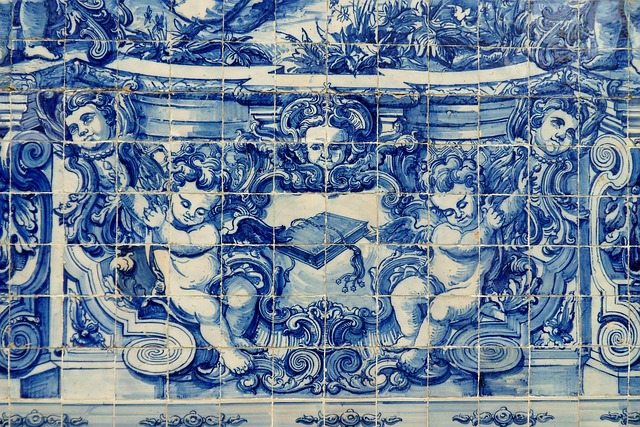
After carefully replacing missing tiles and restoring your mosaic artwork, the final touches involve curing and maintaining these delicate pieces to ensure their longevity and vibrancy. This process is crucial for preserving the artistic integrity and aesthetic appeal of Tile Flooring Denver, particularly in high-traffic areas like showers or entryways where shower tile design ideas Denver can flourish.
Curing involves allowing the mosaic to adjust gradually to its new environment. For outdoor installations, this may mean providing shade during extreme temperatures as sunlight can cause the grout to cure too quickly, leading to cracks and discoloration. In interior spaces, maintaining a consistent temperature and humidity level is key. Consider using humidifiers or de-humidifiers depending on your climate zone to prevent excessive moisture or dryness from affecting the mosaic’s integrity.
Regular cleaning and maintenance are essential for keeping restored mosaic artworks in top condition. A soft brush and mild detergent are usually sufficient for removing dust and dirt, while more stubborn stains may require specialized cleaning solutions. It’s important to note that over-scrubbing can damage the tiles and grout, so a gentle touch is advised. For instance, when Refinish Hardwood Floors Denver, it’s common to use a damp mop to avoid warping or damaging the wood. Similarly, Laminate Flooring Installation Denver should be done with care to prevent scratching or denting the surface.
Over time, re-grouting may be necessary as grout naturally wears away, allowing moisture and dirt to penetrate the tile joints. This process involves removing the old grout, cleaning the space thoroughly, and then applying fresh grout to seal and protect the tiles once more. Regular monitoring of your Tile Flooring Denver, along with these maintenance practices, will ensure that your restored mosaic art remains a stunning focal point for years to come, enhancing any space from entryways to bathrooms with shower tile design ideas Denver has to offer.
In restoring mosaic art, particularly Tile Flooring Denver styles, understanding the intricate process of replacing missing tiles is paramount. This article has guided readers through each critical step, from assessing damage to matching patterns and colors, and finally, maintaining the restored artwork. Key insights include the importance of meticulous preparation, such as cleaning and treating surfaces, using appropriate adhesives and grout for longevity, and the value of curing and regular maintenance. By mastering these Denver restoration techniques, professionals can preserve the vibrant tapestry of Tile Flooring Denver, ensuring its indelible place in both historic and contemporary settings.