
Tile Flooring Denver projects require thorough planning. Assess space, choose materials strategically, and prepare properly for durable floors. DIY installations save costs but demand meticulous planning and testing. Select suitable tile sizes, patterns, and layouts for efficient, aesthetically pleasing results. Meticulous setting, grouting ensure long-lasting Tile Flooring Denver. Regular maintenance protects your investment, enhancing floor life. Final touches include pet-friendly options, accessorizing for visual appeal and functionality.
In the world of home improvement, Tile Flooring Denver has emerged as a popular choice for its durability, aesthetic appeal, and versatility. However, for those looking to save money, professional installation can quickly escalate costs. This guide offers an authoritative look at DIY tips specifically tailored for saving on tile installation in Denver. By mastering these techniques, homeowners can achieve high-quality results while keeping expenses manageable, ensuring a rewarding and cost-effective renovation experience.
- Evaluating Your Tile Installation Project: Prep for Success in Tile Flooring Denver
- Budget-Friendly Materials: Finding Affordable Options for Tile in Denver
- Tools and Techniques: Mastering DIY Tile Installation Tips for Denver Floors
- Layout Design: Crafting an Efficient Tile Design for Your Denver Home
- Setting and Grouting: Ensuring a Solid Foundation for Your Tile Flooring Denver
- Final Touches: Styling and Maintaining Your DIY Tile Installation in Denver
Evaluating Your Tile Installation Project: Prep for Success in Tile Flooring Denver

Before diving into tile flooring Denver, a thorough evaluation of your project is essential for successful DIY installation. Start by assessing the size and complexity of your space—large rooms or areas with unique angles may require more materials and skilled labor. Consider existing floor coverings; removing carpet installation Denver can be time-consuming but will often reveal underneath damage that must be addressed.
Researching stylish tile options Denver is crucial for aligning your aesthetic preferences with practical choices. Trends come and go, but classic styles endure. For example, natural stone tiles like marble or slate offer timeless elegance but are more costly than ceramic or porcelain options. Moreover, the diversity of tile flooring Denver allows customization based on budget, climate, and personal taste.
Proper preparation is key to long-lasting tile floors Denver. This includes ensuring adequate moisture protection, especially in areas prone to humidity, as poorly sealed tiles can lead to warping or lamination issues over time. Data shows that DIY installations often save costs compared to professional carpet installation Denver, but they require meticulous planning and execution. Tools like a laser measuring tape and utility knives will prove invaluable for accurate cuts and layout.
Don’t underestimate the importance of testing different tile options in your space before final selection. Some tiles may look vibrant online or in showrooms, but their true character emerges only when placed within your Denver home. By taking these steps, you’ll be well-prepared to tackle your tile flooring project successfully, ensuring a stylish and durable finish that elevates the beauty of your Denver abode.
Budget-Friendly Materials: Finding Affordable Options for Tile in Denver

In Denver, where tile flooring is a popular choice for its durability and aesthetic appeal, budgeting becomes an art. While many believe professional tile installation is cost-prohibitive, DIY enthusiasts can navigate the landscape of Tile Flooring Denver with strategic material choices to keep costs manageable. The key lies in understanding that affordable doesn’t equate to compromise on quality or style. Custom tile patterns Denver, for instance, don’t have to be reserved for high-end designers; creative minds can craft intricate designs using budget-friendly materials.
First, explore local hardware stores and outlet centers where you might find remainder tiles at drastically reduced prices. These outlets often carry a diverse range of styles, from basic geometric patterns to more elaborate designs suitable for both residential and commercial Tile Installation Denver projects. Additionally, online marketplaces offer another avenue to discover Hardwood Flooring Denver alternatives at competitive rates. Remember that bulk purchases can also lead to significant savings; consider coordinating with neighbors or friends undertaking similar renovation projects.
Moreover, rethinking conventional choices can open doors to more affordable options. For instance, opting for larger tiles reduces the need for grout, cutting down on labor costs. Similarly, selecting high-quality vinyl or polyurethane tiles can provide the look of ceramic or porcelain at a fraction of the price. These materials are not only budget-friendly but also durable and easy to maintain, making them ideal choices for DIY enthusiasts looking to create stunning custom tile patterns Denver on a limited Tile Flooring Denver.
Tools and Techniques: Mastering DIY Tile Installation Tips for Denver Floors
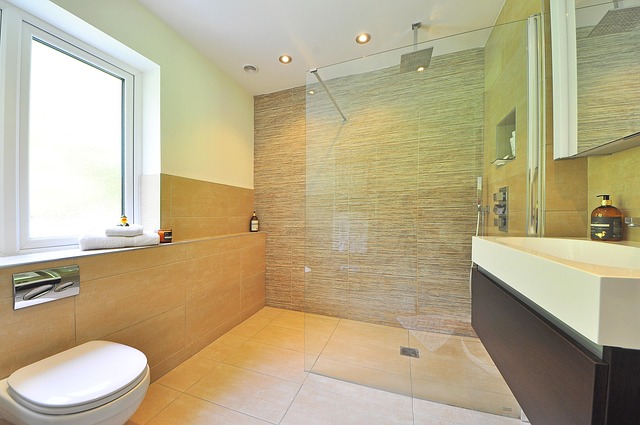
Tile flooring Denver has become a popular choice for both indoor and outdoor spaces due to its durability and aesthetic appeal. However, many homeowners in Denver find professional tile installation services cost-prohibitive. Luckily, with the right tools, techniques, and DIY expertise, you can save money while achieving high-quality results. This section provides an in-depth guide on mastering DIY tile installation tips tailored for Denver floors, focusing on both practical insights and expert perspectives.
One of the first steps in successful DIY tile installation is selecting the right materials. Outdoor tile options Denver offers a variety of choices designed to withstand harsh weather conditions. Luxury vinyl tile Denver is particularly popular due to its water resistance and ease of maintenance, making it suitable for outdoor patios and decks. When repairing or replacing existing tile flooring Denver, consult with local denver tile repair experts who can recommend durable, locally sourced tiles that align with your project’s needs.
Proper preparation is key to a successful DIY tile installation project. Begin by removing any loose or damaged tiles and preparing the subfloor for new tiles. Ensure the surface is level, clean, and free from debris. For larger projects, consider renting specialized tools like a floor saw to cut tiles with precision and efficiency. Proper measuring techniques are also crucial; use a laser measure or tape measure to determine tile quantities accurately, avoiding over- or under-purchasing materials.
Mastering the technique of setting tiles is essential for long-lasting results. Use a mortar mix specifically designed for tile flooring Denver to ensure proper adhesion. Apply the mortar evenly with a trowel, following manufacturer guidelines for recommended thickness. Place tiles carefully into the fresh mortar, pressing firmly to create a strong bond. Gaps between tiles should be filled with a suitable grout to seal and protect the installation. Regularly check your work as you progress to maintain consistency in tile alignment and spacing.
Layout Design: Crafting an Efficient Tile Design for Your Denver Home

In crafting a tile flooring Denver design, especially for your kitchen, efficient layout design is key to saving money and maximizing aesthetics. Start by assessing the space and considering traffic patterns. For busy areas like kitchens, use larger tiles to reduce grout lines and make cleaning easier—a smart move that can save on both materials and labor costs, not to mention the time spent scrubbing. A flooring contractor Denver expert might suggest a grid pattern for large spaces, ensuring even coverage and minimizing waste.
For example, in a 10×12-foot kitchen, instead of small tiles that require more grout, opt for 12×24-inch or larger tiles. This not only reduces the amount of tile needed (and therefore the cost) but also creates an elegant, modern look. Keep in mind that tile flooring Denver professionals can help you select materials that align with both your budget and design goals. When planning, factor in cuts and waste; precise measurements and strategic cutting can reclaim material that would otherwise be discarded.
Additionally, consider the functionality and visual impact of different layouts. A running bond pattern, where tiles are offset by half their width, offers a classic yet versatile aesthetic suitable for various spaces. This method also provides some flexibility in tile placement, allowing for adjustments during installation without significant waste. Conversely, a direct-set pattern, where each tile is placed side by side with minimal gaps, might be more cost-effective for smaller areas but requires precise measurements to avoid excess material.
Remember that your flooring contractor Denver should guide you through these options based on your specific needs. By thoughtfully approaching tile layout design, you can achieve a stunning, efficient, and budget-friendly Tile Flooring Denver installation for your kitchen or any other space in your home.
Setting and Grouting: Ensuring a Solid Foundation for Your Tile Flooring Denver

When it comes to saving money on tile installation for your Tile Flooring Denver project, paying close attention to the setting and grouting process is paramount. This foundational step ensures not only the durability of your new flooring but also its longevity. A solid foundation prevents issues like uneven tiles, gaps, or lipping, which can occur when the subfloor isn’t properly prepared. For instance, using a level surface like Vinyl Sheet Flooring Denver or Luxury Vinyl Tile Denver provides a smooth base for your tiles, allowing for precise positioning and a seamless finish.
The process begins with ensuring the subfloor is clean, dry, and even. Any imperfections should be addressed before laying the tiles to avoid future problems. For outdoor areas, consider an Outdoor Carpet Denver for added comfort and traction, as these carpets provide insulation and absorb impact, making them ideal for high-traffic zones. Proper setting involves using suitable adhesive specifically designed for your chosen tile type and surface. Excess adhesive can lead to poor bonding, while not enough can result in tiles that don’t stick securely.
Grouting is the next critical step. It not only fills the spaces between tiles but also reinforces the overall stability of the floor. Use a grout that’s compatible with your Tile Flooring Denver material—for example, ceramic tiles may require a different grout than luxury vinyl. Ensure the grout lines are consistent and clean, as this affects both aesthetics and functionality. Regular maintenance, including cleaning grout lines promptly to prevent dirt buildup, will extend the life of your floor. By focusing on these aspects, you can achieve a robust Tile Flooring Denver installation that saves you money in the long run.
Final Touches: Styling and Maintaining Your DIY Tile Installation in Denver
Completing your DIY tile installation in Denver is a significant milestone, but the journey doesn’t end there. Final touches are crucial to ensure your tile flooring Denver stands the test of time and reflects your aesthetic vision. One key area to focus on is styling and maintaining your new floor, especially if you’re considering more than just standard Tile Flooring Denver. For instance, if you have pets in Denver, specific tile flooring for pets Denver that’s scratch-resistant and easy to clean will prolong the life of your installation.
First, let’s address aesthetics. Once the tiles are laid, explore stylish tile options Denver that complement your space. Incorporate patterns or textures to add depth and visual interest, whether it’s a subtle geometric design or a bold Moroccan-inspired motif. Laminate Flooring Installation Denver can also play a role here; pairing laminate with tiles allows for more creative freedom while maintaining the durability of tile flooring.
Maintenance is another vital consideration. Regular cleaning and sealing are essential to protect your Tile Flooring Denver from stains, especially in high-traffic areas or homes with pets. Use pH-neutral cleaners and avoid harsh chemicals that can etch the surface. In addition to routine upkeep, consider protective coatings or sealers designed for tile flooring for pets Denver to enhance durability against scratches and pet wear.
Finally, don’t underestimate the power of accessories. Rugs, area mats, and decorative accents not only add warmth and personality but also help define spaces within larger areas. Choose items that are easy to move and clean to maintain the integrity of your tile installation while allowing for a dynamic interior design approach. By thoughtfully styling and maintaining your DIY Tile Flooring Denver project, you’ll create a beautiful, functional space that serves as a true testament to your creativity and DIY prowess.
By skillfully navigating through the process of evaluating your Tile Flooring Denver project, sourcing budget-friendly materials, mastering DIY techniques, crafting efficient layouts, and meticulously setting and grouting, you can achieve stunning results while saving money on your tile installation. The insights provided in this article equip you with the knowledge to make informed decisions, ensuring a successful DIY tile flooring endeavor in Denver. Take these key learnings into your next project, and watch as your Tile Flooring Denver transformation becomes a source of pride and cost-effectiveness.